
 +36 70 654 4444
 info@helloparks.com

Success in the warehouse market is no longer measured in square metres
2026.07.01.


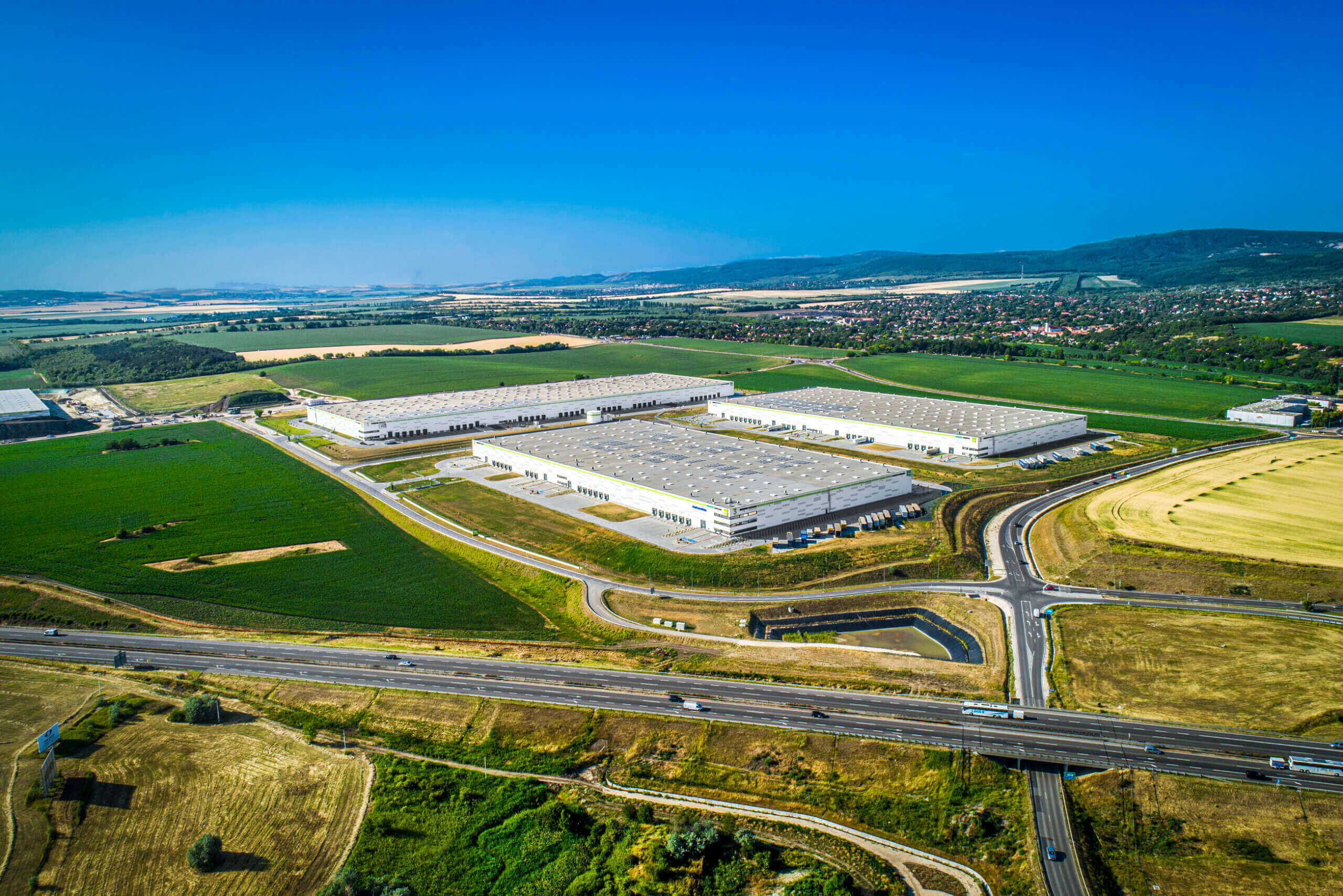
The Hungarian industrial real estate market has developed significantly in recent years, while tenant and investor expectations have also changed. Companies are no longer looking only for a good location and modern warehouse space, but for business infrastructure that supports their operations, growth and long-term predictability.
The Covid pandemic, disruptions in supply chains, the growth of e-commerce and the energy crisis have highlighted the strategic importance of logistics infrastructure. Nearshoring has accelerated across Europe, with more companies moving their production and logistics capacities closer to their target markets. Hungary is well positioned to benefit from this trend, but a favourable geographic location alone is no longer enough.
Energy supply, scalability, operational quality, digital solutions and predictable costs are playing an increasingly important role in tenant decisions. HelloParks’ strategy was also built around this shift, offering solutions from land development and building construction to facility management.
Launched by Futureal Group in 2020, HelloParks is now present in four locations — Maglód, Fót, Páty and Alsónémedi — and is developing more than one million square metres of warehouse and industrial space on a total of 200 hectares. In its first five years, the company completed more than 500,000 square metres of warehouse space in the Budapest metropolitan area, while the total development value of its completed and ongoing projects is approaching EUR 600 million.
HelloParks’ industrial parks have been chosen by several major international companies, including BYD, DHL, dm-Drogerie Markt, Gebrüder Weiss and Aeroplex. The company also started 2026 with strong momentum, signing new lease agreements for nearly 60,000 square metres of space.
Digitalisation is also playing an increasingly important role in industrial real estate development. BIM-based design, data-driven facility management and artificial intelligence can support faster decision-making, more efficient operations and more predictable costs.
Similar expectations are strengthening on the investor side as well. In addition to location, ESG compliance, energy efficiency, technical resilience and long-term operational quality have become key considerations.
Today, the industrial real estate market is about much more than warehouses and halls. Developers that gain an advantage are those that offer not only square metres, but a flexible, sustainable business ecosystem that supports companies’ operations.
Tell others too!